LIVESTOCK
Keeping our livestock healthy

CRIT Fish and Game conducts at request livestock inspections for any traveling or showing steers, swine, sheep, goat, and horses. These inspections are in keeping with the USDA and FDA regulations, to ensure that all livestock are kept healthy and safe.
For more information on inspections, tagging and branding, and other regulations, please click the links below. CRIT is not an open-range area. all livestock must be secured or penned.
Livestock Inspections
Routine livestock inspections are mandatory not just for the tribes, for the whole of the US. It ensures that the animals are healthy, legally obtained, and clears them for showing and interstate travel. Fish & Game inspects cattle, swine, sheep, goats and horses.
Need your livestock inspected? Please call us at 928-669-9285 with a date, time and place ready.
Inspection costs vary by animal. Additional $5.00 service charge mandatory. Prices subject to change.
Cattle: $0.25 per head
Sheep, Goats & Swine: $0.10 per head
Horses: $1.00 per head
CRIT IS NOT AN OPEN RANGE LAND
All livestock must be kept secured or penned, provided with shade and water as relief from the extreme summertime heat!
LIVESTOCK HEALTH INFORMATION

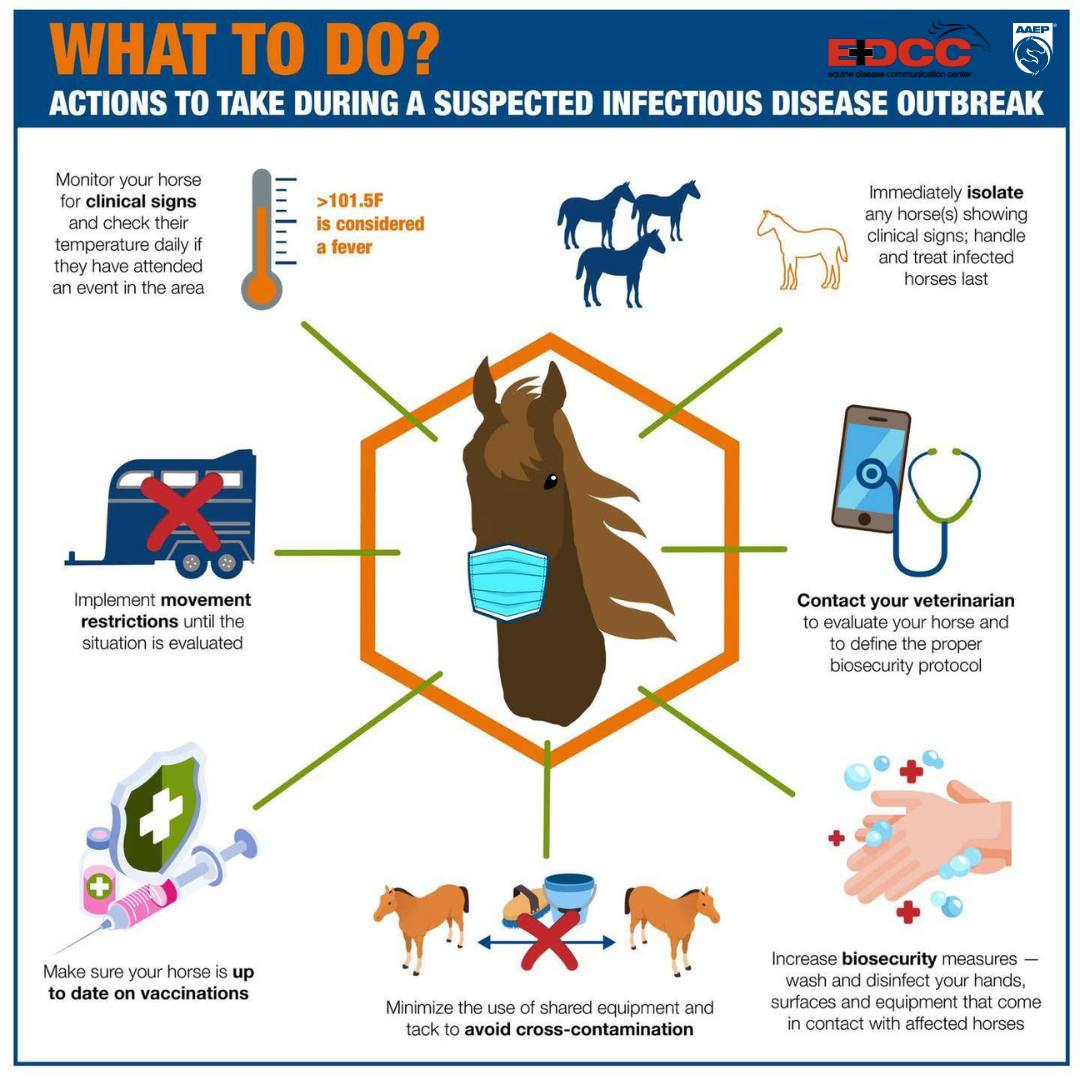
Equine Herpesvirus
Equine herpesvirus myeloencephalopathy (EHM) is another name for the neurologic disease associated with equine herpesvirus (EHV) infections. Neurological signs appear as a result of damage to blood vessels in the brain and spinal cord associated with EHV infection. Interference with the blood supply leads to tissue damage and a subsequent loss in normal function of areas in the brain and spinal cord.
More Information HERE
NEWS RELEASE
Oct. 29, 2026
PHOENIX — The Arizona Game and Fish Department (AZGFD) is reminding the public to be on the lookout for the New World screwworm, a destructive pest that poses a threat to wildlife, livestock, pets, and rarely, people, after the first detection of the parasite in Arizona.
On October 28, 2026, the Arizona Department of Agriculture (AZDA) in cooperation with the U.S. Department of Agriculture (USDA) announced Arizona’s first case of New World screwworm. The confirmed case was found in a canine in Cochise County when a local veterinarian examined the animal on the evening of October 26 and identified a wound on the canine’s back heavily infested with maggots. Scientific testing verified the species.
The affected animal is under veterinary care and AZDA is working with the attending veterinarian and the owner to gather additional information to guide any necessary epidemiologic investigation and local response actions.
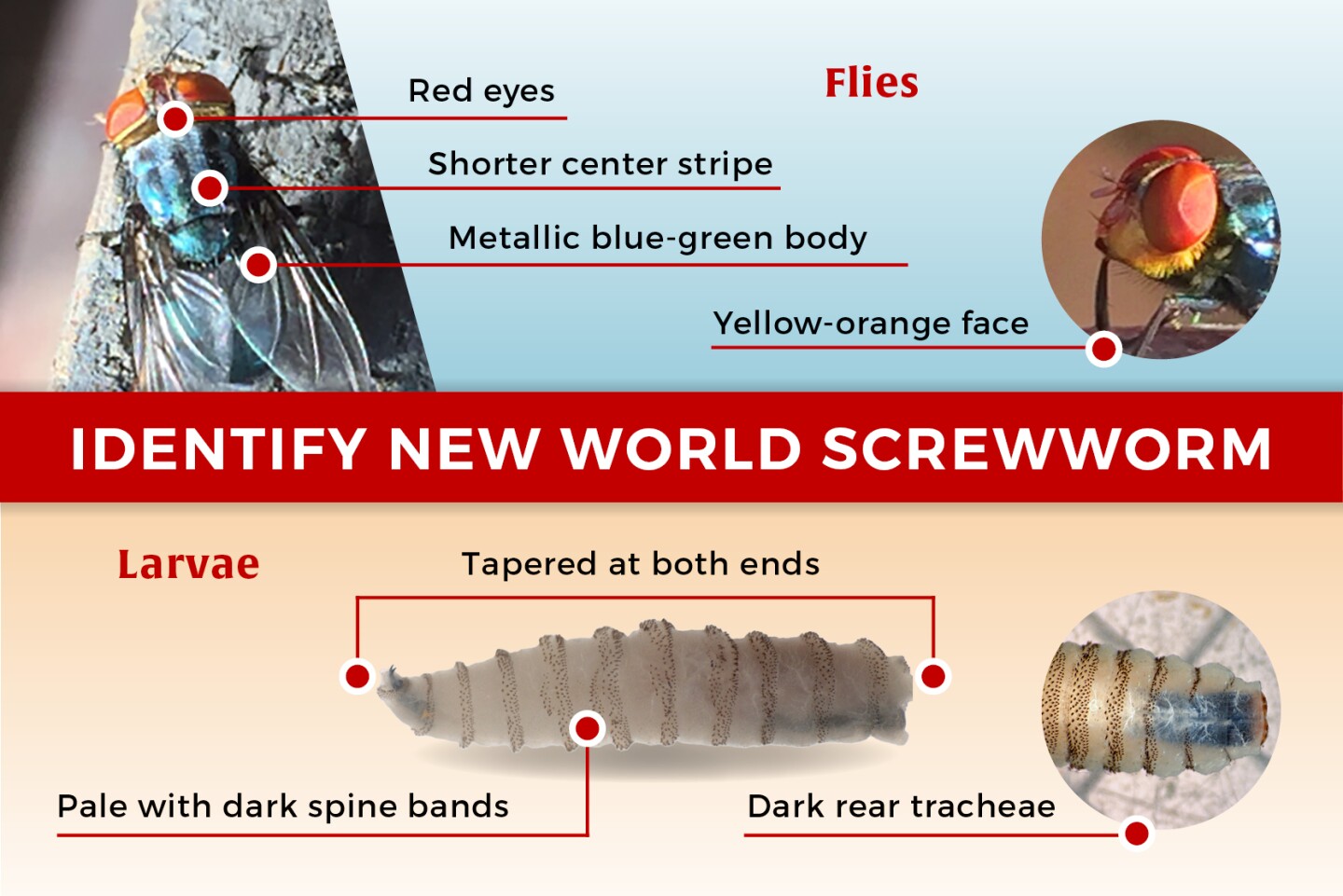
Adult New World screwworms are parasitic flies that lay eggs in open wounds or mucous membranes such as the nostrils, eyes, or genitalia of live warm-blooded animals, these include birds and mammals. The eggs hatch into a type of larvae (maggots) that only feeds on living tissue.
Hunters and outdoor recreationists play a vital role in helping detect and manage the spread of New World screwworm. Recently, a hunter helped detect the first U.S. wildlife case in an elk in Texas.
As you hunt or recreate outdoors, please check harvested game and observe live animals you encounter for:
- Larvae (maggots) on alive or very recently deceased animals. Unlike other maggots, New World screwworms feed on living tissue, and will vacate an animal once it has died and the tissue begins to cool.
- Maggots deep in tissue with foul odor. Common sites are wounds or body openings like the nose, eyes or genitalia.
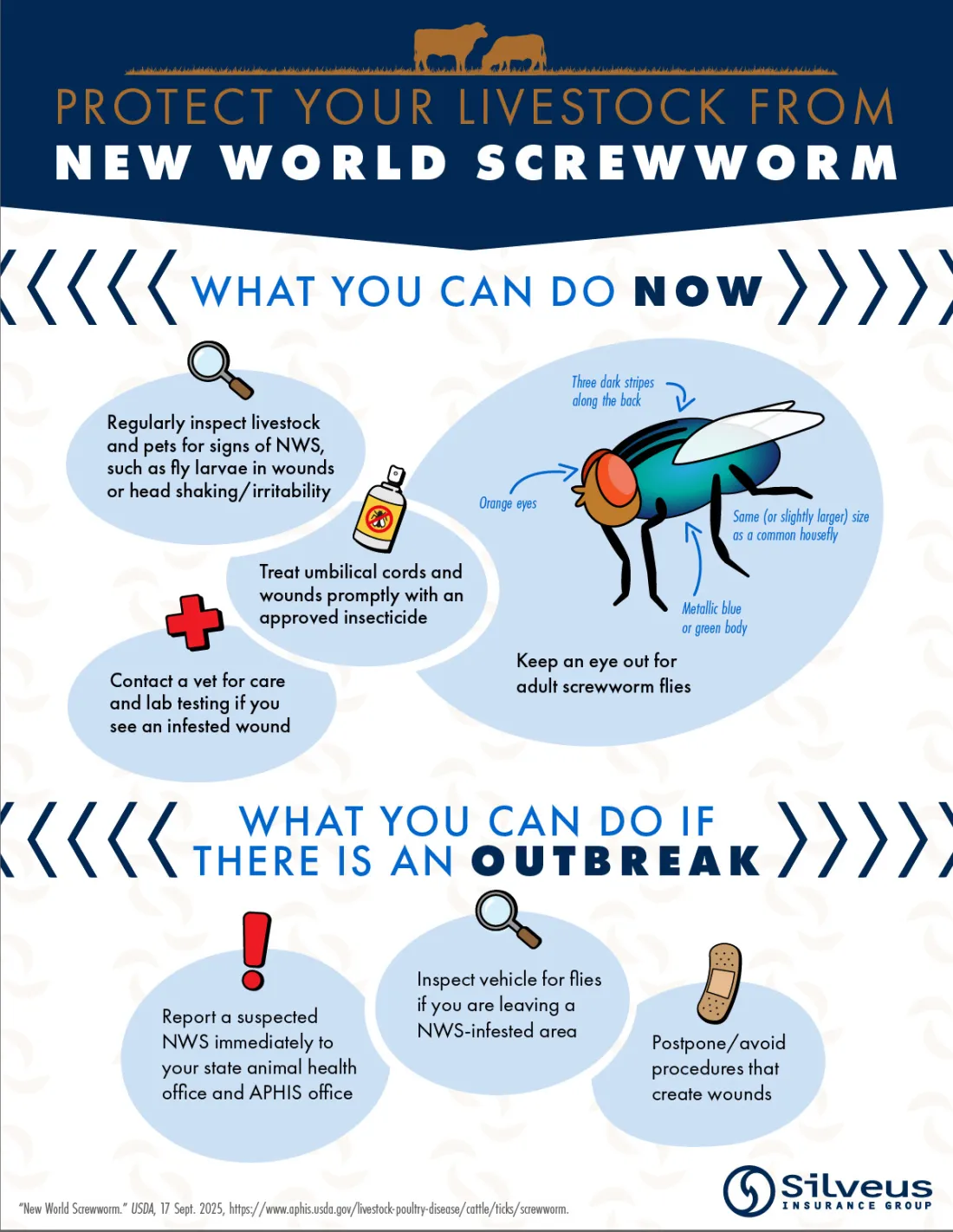
In the event that you suspect screwworm:
- Take a GPS location.
- If it is wildlife, contact the AZGFD immediately at 623-236-7201. Do not handle or transport the animal.
- Take pictures of the wound, larvae or affected animal, if possible.
- If it is domestic animals (livestock, pets), contact the Arizona Department of Agriculture (AZDA) at diseasereporting@azda.gov. If in doubt, reach out to your veterinarian for assistance.
Resources to aid in the identification of New World screwworms can be found here.
AZDA is leading an extensive and proactive effort to protect Arizona from the possible spread of New World screwworm. AZGFD is working closely with the AZDA and USDA in support of this effort.
Your reports are critical for early detection and rapid response. Vigilance and quick action could protect wildlife and livestock across the state.
More information on NWS can be found at Screwworm.gov, agriculture.az.gov, and azgfd.gov/screwworm.
New World Screwworm
New World Screwworm (NWS, Cochliomyia hominivorax) is a devastating pest. When NWS fly larvae (maggots) burrow into the flesh of a living animal, they cause serious, often deadly damage. NWS can infest livestock, pets, wildlife, occasionally birds, and in rare cases, people.
For More Inforamtion on New World Screwworm
Click HERE
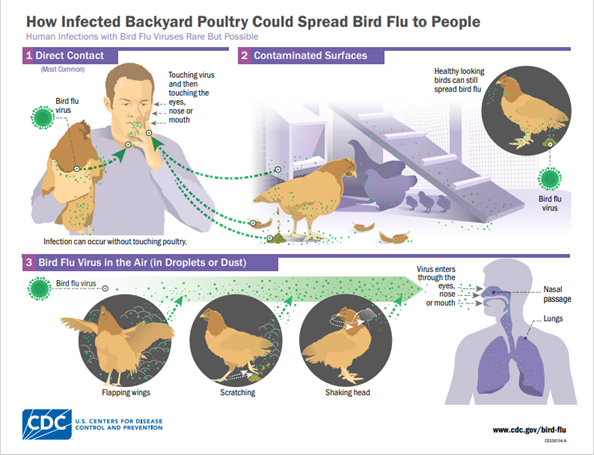
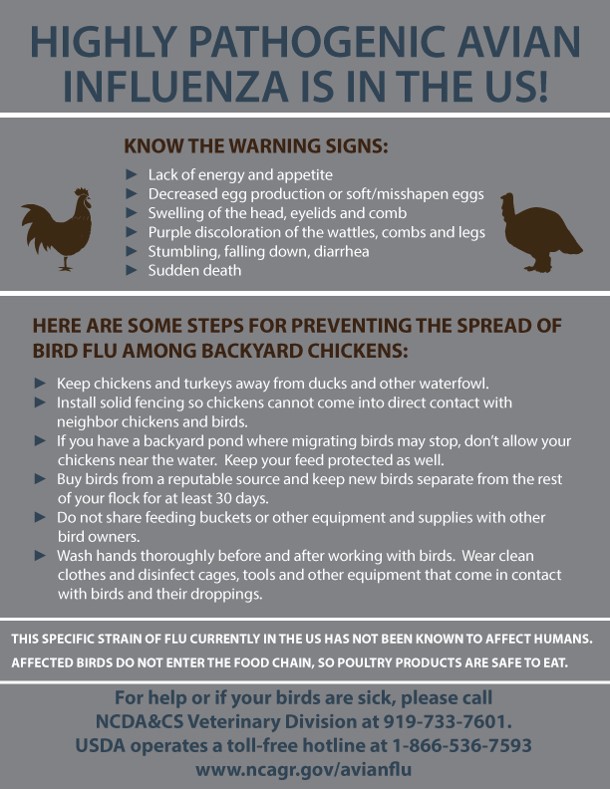
Bird Flu
The H5N1 strain of highly pathogenic avian influenza (HPAI) is present in wild birds worldwide and is causing outbreaks in U.S. domestic birds and dairy cattle. Many other species are also susceptible to this virus. APHIS is working with our Federal, State, and industry partners to combat outbreaks, support producers, and strengthen prevention.
For More Inforamtion on Avian Influenze (Bird Flu)
Click HERE