FISHING ON CRIT!
Our wardens conduct creel census of their own fishing experiences, as well as local fishermen so you know what’s biting and where!
Want to host a fishing event on CRIT? Let us know! Contact our office for any fishing even questions.
Last Updated 03/09/2026 〰️Last Updated 03/09/2026 〰️Last Updated 03/09/2026 〰️Last Updated 03/09/2026 〰️Last Updated 03/09/2026 〰️Last Updated 03/09/2026 〰️Last Updated 03/09/2026 〰️Last Updated 03/09/2026 〰️Last Updated 03/09/2026 〰️
Last Updated 03/09/2026 〰️Last Updated 03/09/2026 〰️Last Updated 03/09/2026 〰️Last Updated 03/09/2026 〰️Last Updated 03/09/2026 〰️Last Updated 03/09/2026 〰️Last Updated 03/09/2026 〰️Last Updated 03/09/2026 〰️Last Updated 03/09/2026〰️
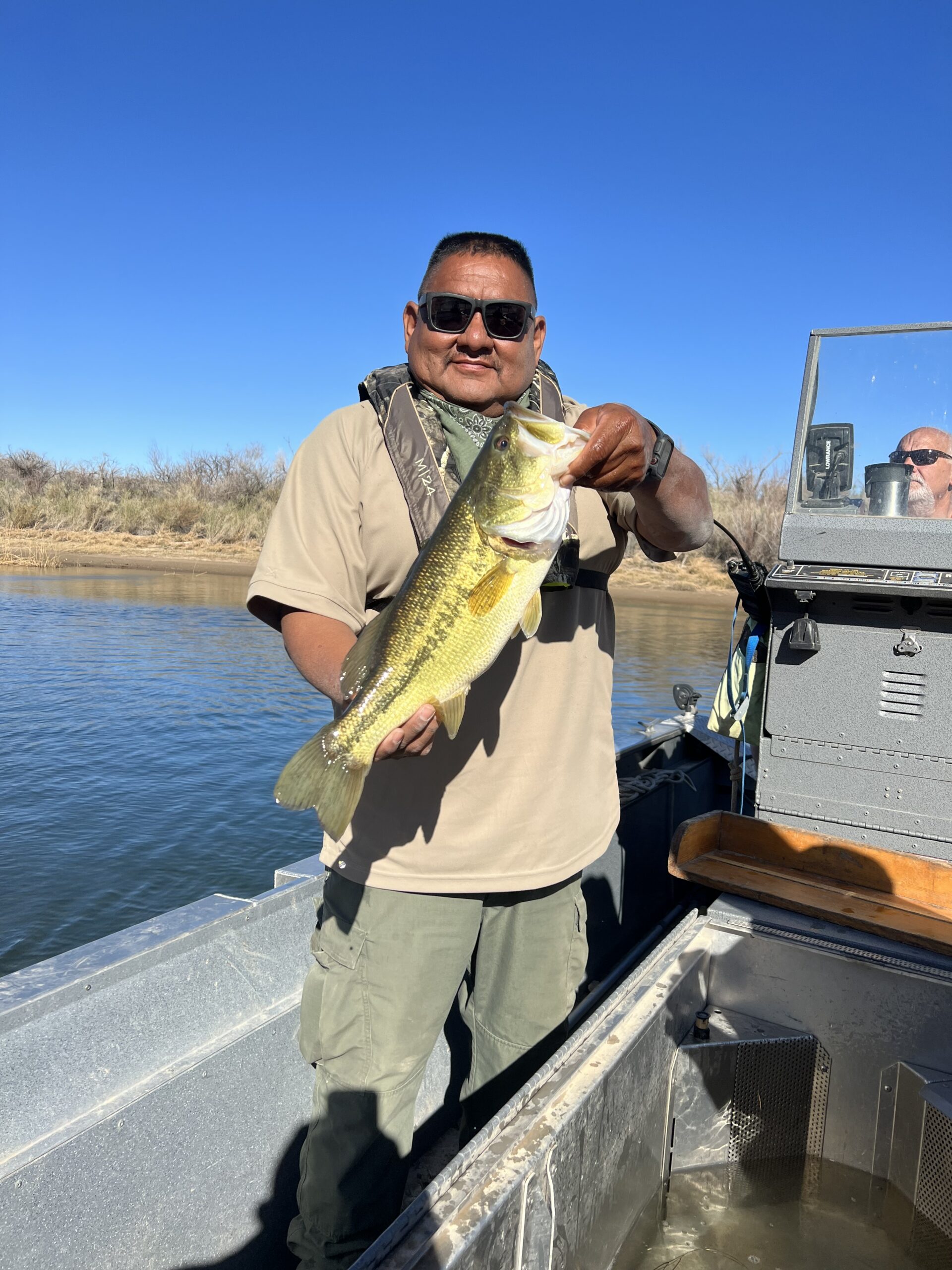
Assistant Chief Martinez
Fish and Game runs constant checks on the number and health of our fish. Here, Assistain Chief Warden Robin Martinez catches a largemouth bass during a routine fish-shocking census. What a catch!
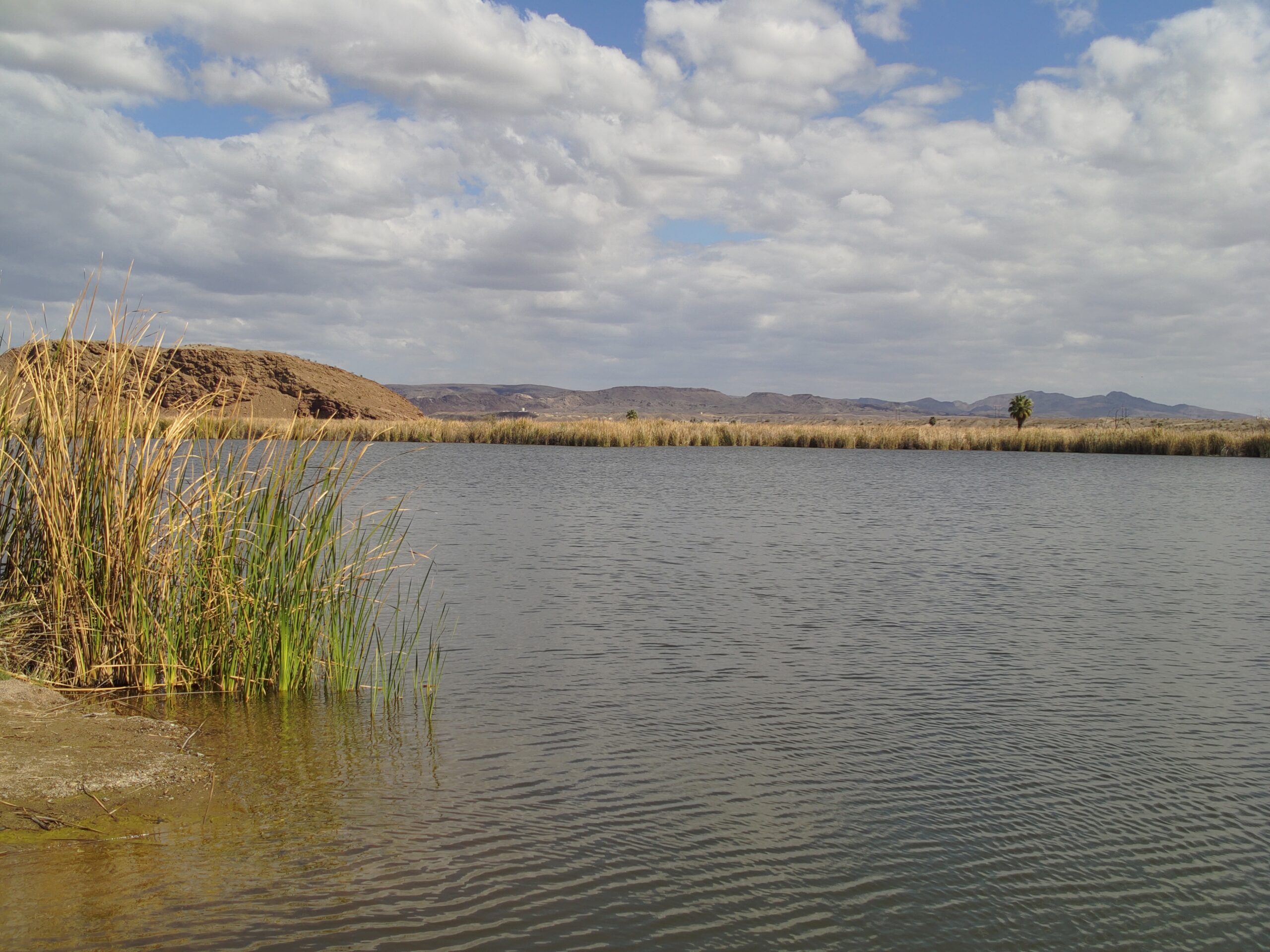
Moovalya Pond
One of the oldest backwaters, Moovalya is located across the river from Bluewater Casino. A honeypot of smallmouth bass, catfish and sunfish.
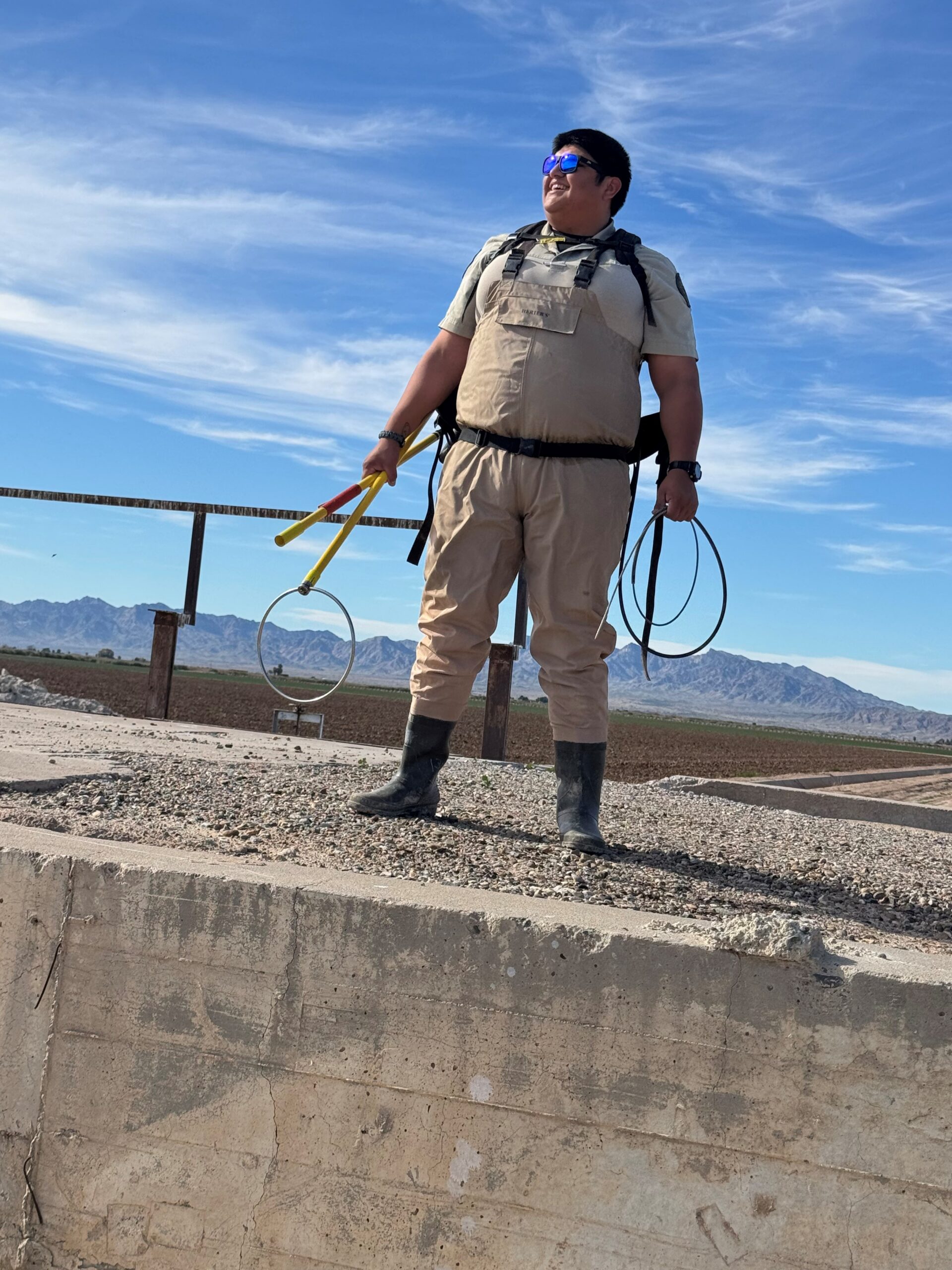
Electrofishing
Electrofishing is the process of using electricity to safely stun fish for collection and transportation. Here, game warden Harper is a geared up to shock some fish for the annual canal drawdown!
Want to see what’s biting?
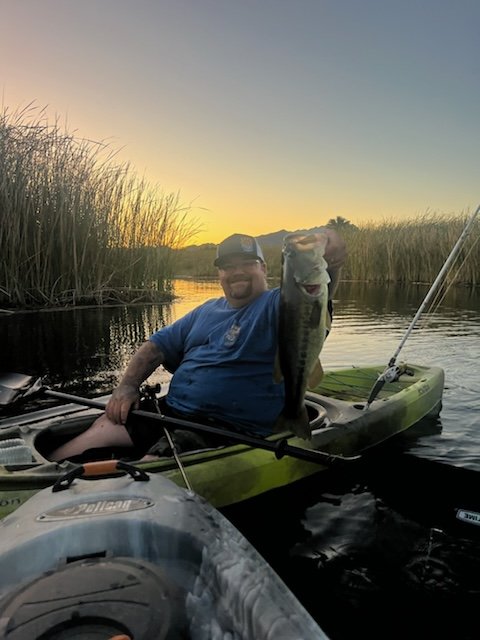
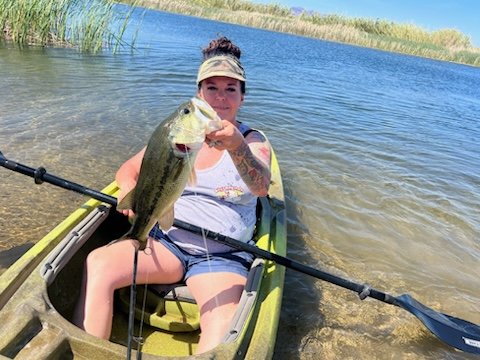
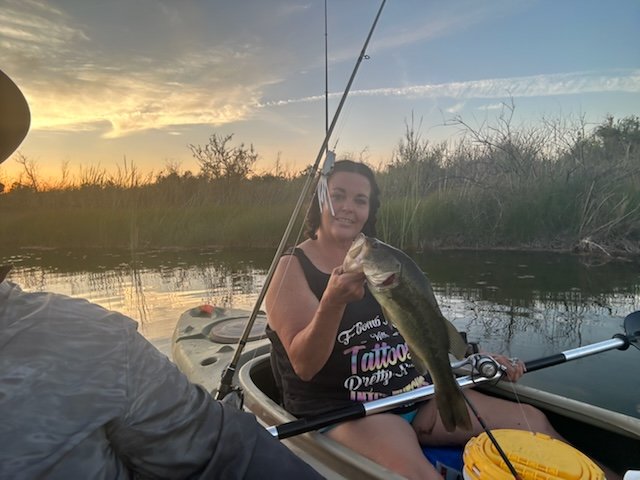
The drop down menu on the right is a list of our most popular and fruitful fishing spots. Just click a location to get information such as; species of fish caught, lures used, and time of day the fish were caught. All information gathered by our game wardens from local anglers as well as their own fishing census work.
Want your picture with your catch on our website? Send your photos to Fish.Game@crit-nsn.gov
with your name, and your catch measurements!
12 Mile Lake
Carp and small mouth bass are biting.
Most Active Time: Morning/Afternoon.
Lures used: spinners, worms, nightcrawlers, plastics
Moovalya Backwaters
No fishing report for this area at this time.
Boy Scout Camp
Small Mouth bass reported biting in this area.
Time: Morning
Lures Used: Spinner Bait.
Indian's Own Camp
No fishing report for this area at this time
Ahakhav Wildlife Preserve
Small mouth and Large mouth bass biting in all waters
Most Active Time: Morning
Lures used: night crawlers, plastics, surface lures
Agnes Wilson Bridge
Catfish and Bluegill reported biting here
Most Active Time: Morning
Lures used: Plastic lures and cut fish
Deer Lake
Largemouth Bass are biting.
Most Active Time: 9:00am to 11:00am.
Lures used: spinners, plastic worms
ENDANGERED FISH ON CRIT
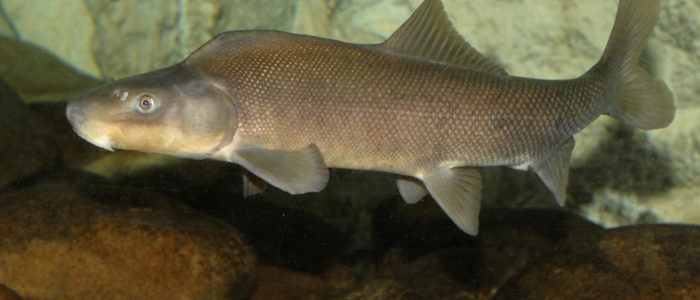
Razorback Sucker
The razorback sucker is native only to the warm-water portions of the Colorado River basin of the southwestern United States. Razorback sucker are found throughout the basin in both lake and river habitats but are most common in backwaters, floodplains, flatwater river sections and reservoirs.
Dam construction in the basin reduced peak flows, changed temperature regimes, created reservoirs, and disconnected floodplains from the mainstem rivers. Altered environments provided opportunities for nonnative fish to flourish. Nonnative predators eat early life stages of razorback sucker, preventing reproduction in the river systems. In response to population declines, stocking programs were developed and implemented throughout the Colorado River basin.
The razorback sucker was listed as an endangered species in 1991. Because of conservation efforts and reestablishment of populations that are surviving, spawning, and showing rare signs of reproductive success, the species was proposed for reclassification in 2021. Survival of wild razorback sucker to the adult life stage still needs to occur on a broad scale to effectively complete the lifecycle of the species.
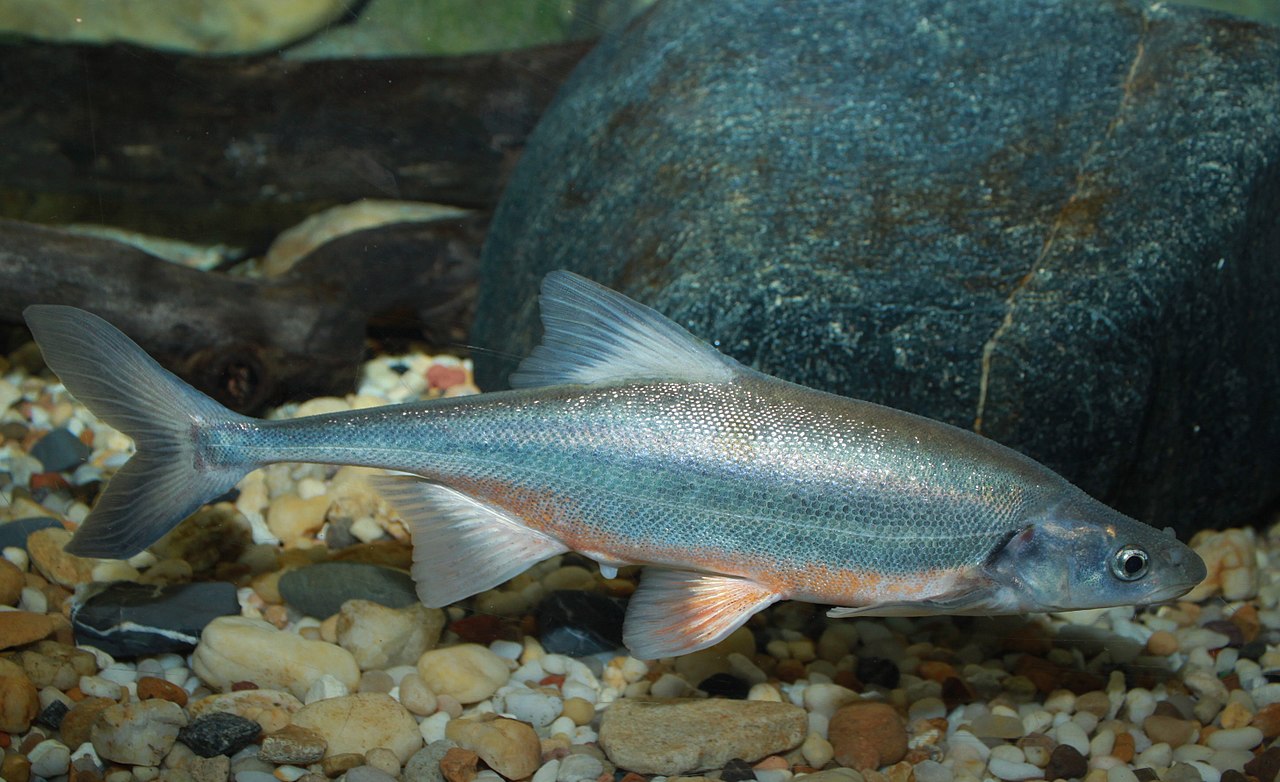
Boneytail Chub
The bonytail is the rarest of the endangered, native fish of the Colorado River and is thought to have evolved around 3 to 5 million years ago. Its name describes the fish as an elegant swimmer and member of the chub group of minnows.
Bonytail were once common in portions of the upper and lower Colorado River basins. In the early 1900s, Chuck Mack of Craig, Colorado, called them broomtails, because “…you could get a firm grip on their bony tail.” Mack, and other old-timers, used to catch these fish in the upper Colorado River basin, along with Colorado pikeminnow and razorback sucker.
Recovery efforts for this species are ongoing, with stocking occurring at multiple locations in both the upper and lower Colorado River basins. Threats to the species include streamflow regulation, habitat modification, competition with and predation by non-native species and hybridization.
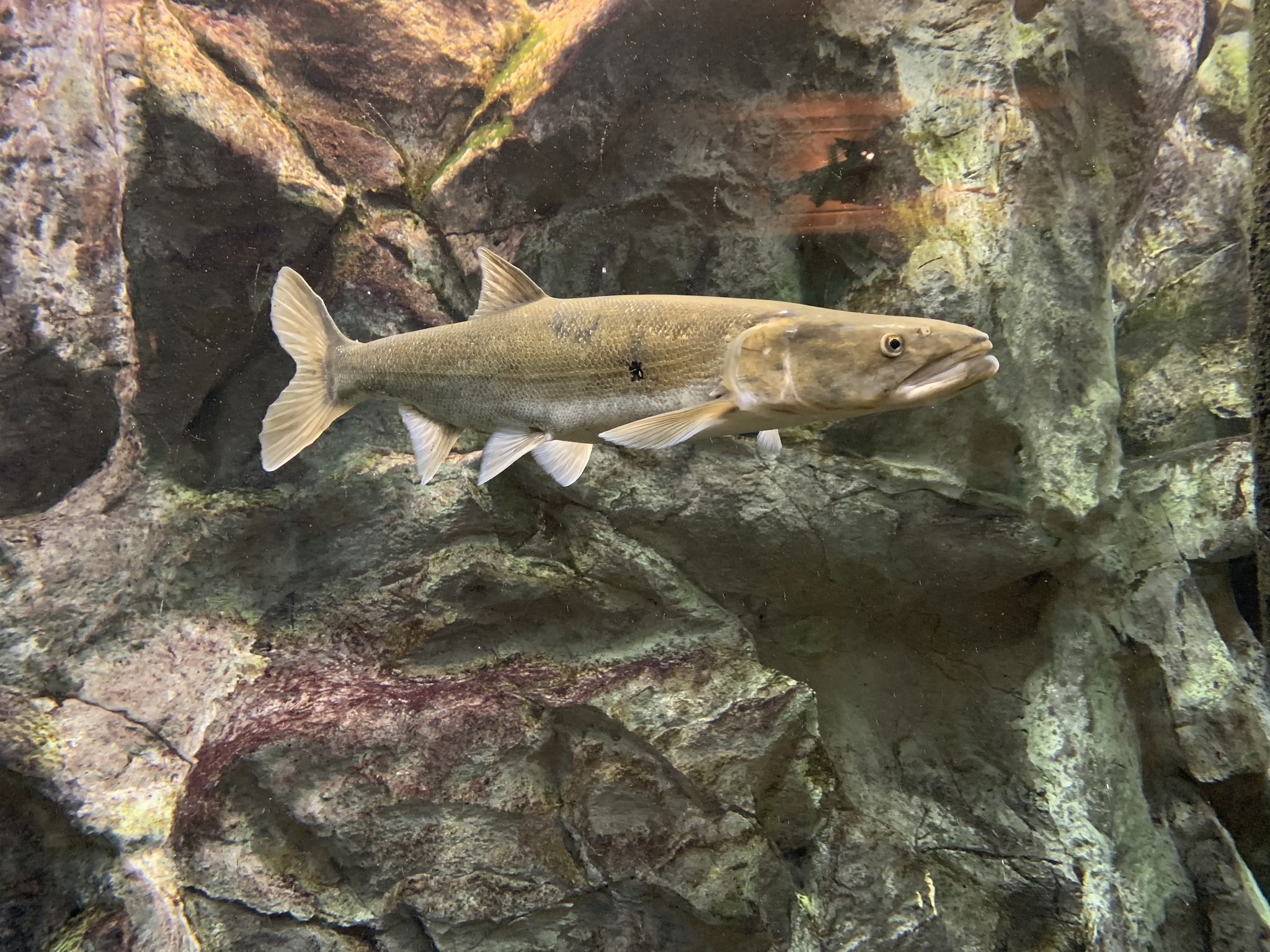
Colorado Pikeminnow
Colorado pikeminnow is a fish species endemic to warm-water, large rivers of the Colorado River basin and is the largest minnow native to North America. Historically, the Colorado pikeminnow was the apex, or top, predator in the upper basin, despite lacking jaw teeth. The species was protected under the Endangered Species Act in 1973 because large dams and human water use altered river flows and restricted the fish’s movement. Populations of Colorado pikeminnow in the Colorado and Green rivers are remnants of wild populations. The species has also been reintroduced into the San Juan River through the stocking of hatchery fish.
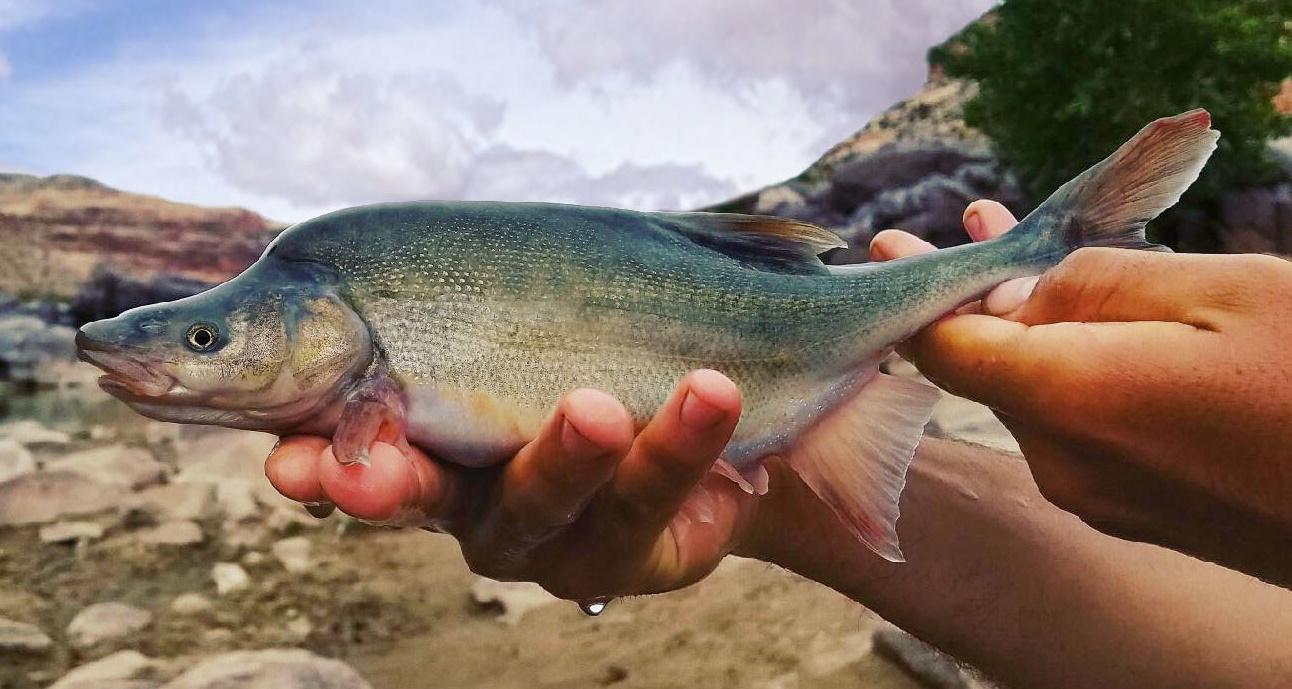
Boneytail Chub
The humpback chub is a native species of the Colorado River that evolved around 3.5 million years ago and is only found in warm-water canyons of the Colorado River basin. The humpback chub was first described from a fish caught in 1933 near Bright Angel Creek, a tributary of the Colorado River in Grand Canyon, making it one of the last large fish species to be described in North America. The species was protected under the Endangered Species Act in 1973 because large dams and human water use changed the river flow. Actions to conserve the humpback chub include managing river flows, providing passage around dams, and removing non-native predators. Monitoring of humpback chub populations indicates that management actions are benefiting the species. In fact, the Little Colorado River population in Grand Canyon is now estimated at more than 11,000 fish, and the Westwater Canyon population in Utah is estimated to exceed 3,300 fish.
Aquatic Invasive Species (AIS)
Aquatic Invasive Species (AIS) are found throughout the Colorado River watershed. These species have no natural predator, can introduce foreign disease, and tend to cause major damage to the environment.
This section will introduce some of the more common AIS found on CRIT and what you can do to help
Crayfish, such as the virile crayfish and the Red Swamp crayfish, are not native to the lower colorado river. In the 1940s, 50s, and 60s, the state and federal wildlife agencies sought to increase sports fishing across the nation. By introducing popular sports fish such as bass into the colorado river, those same agencies felt they required a stable food source. Thus, crayfisher were introduced as well, with both fish and crustacean populations swiftly overtaking native aquatice life.
Thankfully, these invasive crustaceans are useful both as fishing bait and for cooking! Make sure to never throw them back to keep their population under control.
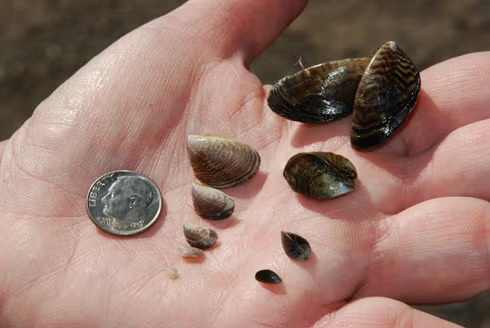
Quagga Mussels
Originally from the Dnieper River drainage of Ukraine and the Ponto-Caspian Sea region of Eastern Europe and Western Asia, quagga mussels were introduced to amerian water ways through the ballasts of trans-oceanic cargo ships from those regions.
Able to reproduce quickly, with one female mussle producing 1 million eggs per year, and having no natural predators in the U.S., the mussels quickly spread.
Transportation of recreational, sports and commercial watercraft between waterways have seen this invasive mussel spread to nearly every body of water in the united states.
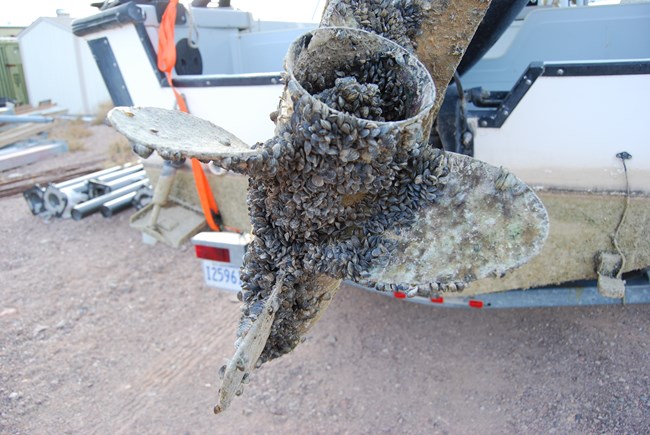
Quagga Mussels Cause Major Damage!
Remember to powerwash your watercraft and hauling vehicles every time you leave the river! Always sterilize your watercraft!