CRIT Wildlife
Discover our wildlife
From the wide desert to the riverside wetlands. You will find a rich diversity of both Arizona and California species on the Colorado River Indian Reservation.
Below are the species we actively manage and monitor on the reservation.
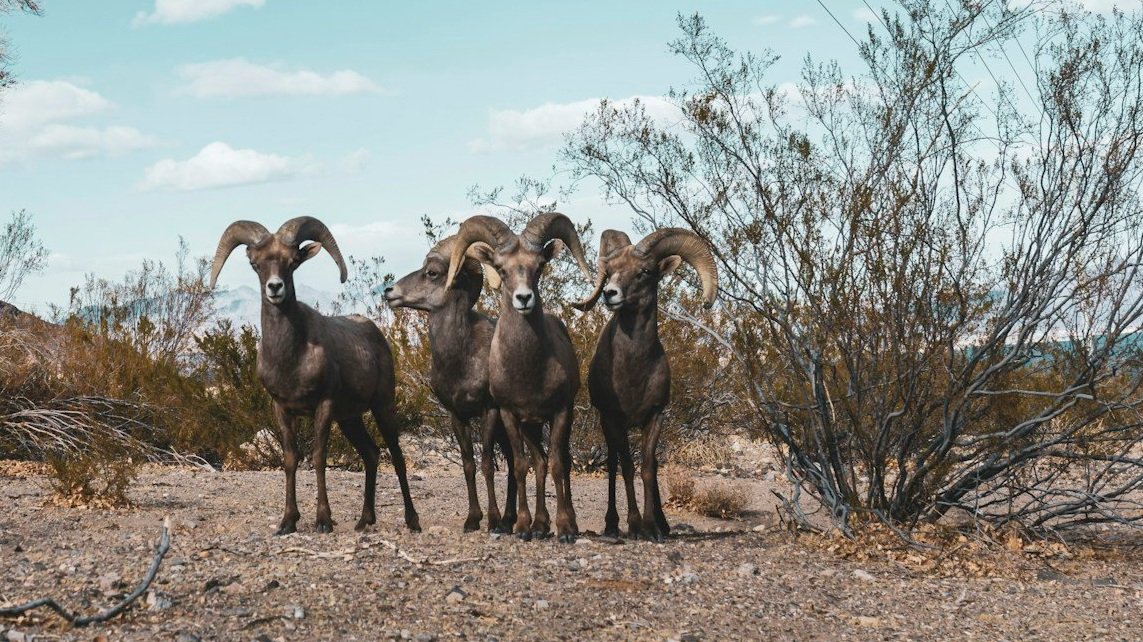
Bighorn Sheep
Arizona’s bighorn population, consisting of both desert and Rocky Mountain bighorn is estimated at 6,000 individuals. Far less than their historic 45,000.
Today, Bighorn Sheep can bed found in the eastern mountain ranges of CRIT, and sometimes in the northern end of the reservation by the river where they go each morning to drink.
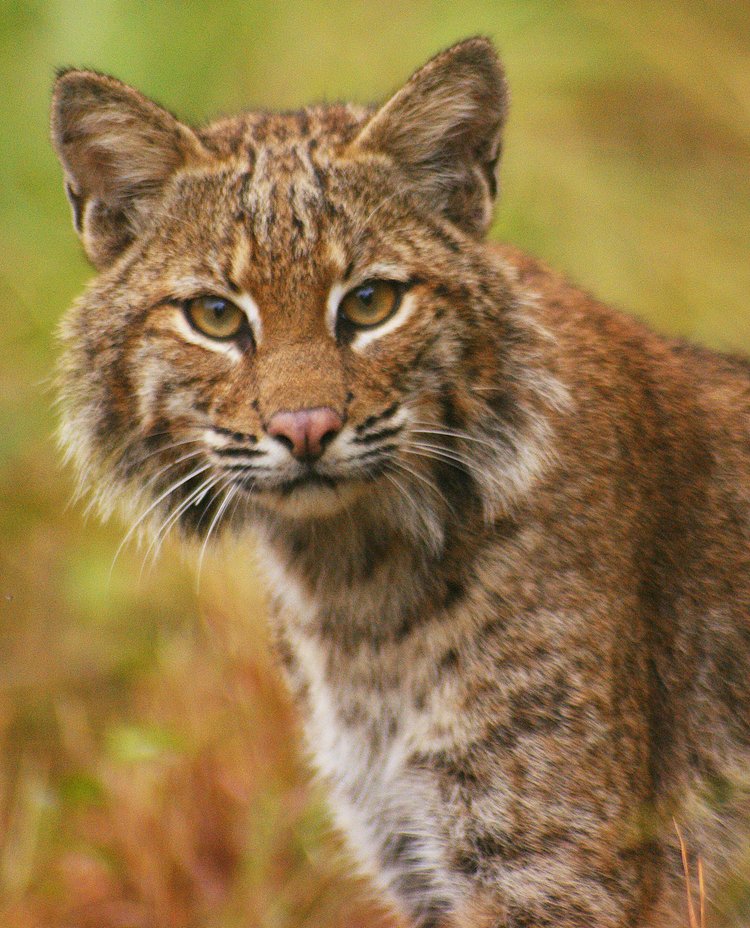
Bobcat
Found in the desert valley and emerging largely atnight. The bobcat’s most distinguishing characteristic is its short, bobbed tail and large paws.
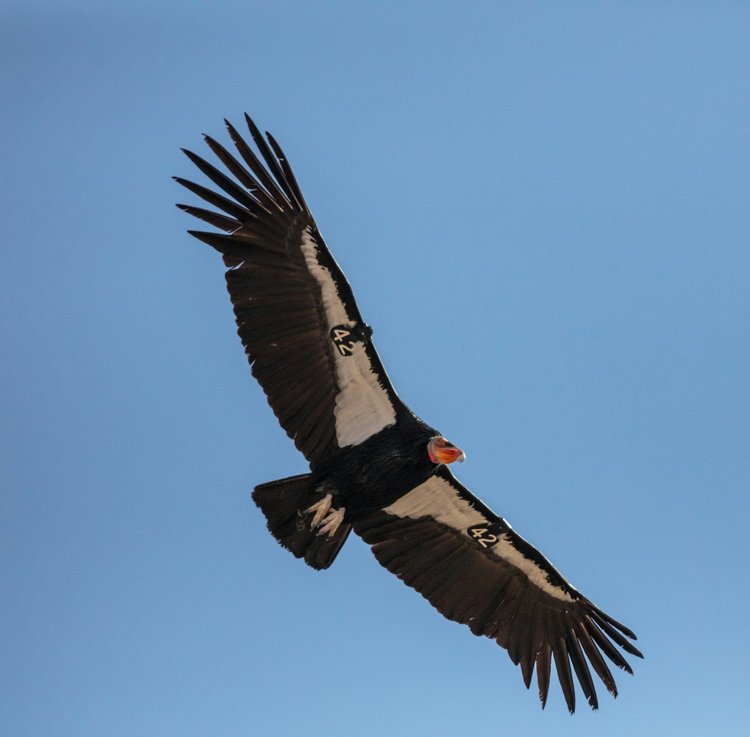
California Condor
California condors are the largest flying land bird in North America. Condors have a wingspan of 9 ½ feet, and can weigh up to 25 pounds as adults. Critically endangered due to lead poisoning and habitat destruction, they are found rarely in the far western mountains of the reservation.
Cottontail Rabbit
A common species of rabbit, known for its fluffy white tail resembling a ball of cotton. Found everywhere on CRIT from the desert scrubland, to the river, to your own backyard.
Coyote
Coyotes are Arizona’s most common predator and found throughout the entire state. Though not always seen, their vocalizations, consisting of howls, yelps, and barks, are regularly heard almost every night.
Desert Tortoise
Arizona has two species of desert tortoise; The Sonora and the Mojave desert tortoise. Both of which can be found on CRIT, and both are critically endangered. Found rarely in the desert scrublands and riparian areas.
Jack Rabbit
Much larger than its cottontail cousin, the jack rabbit is easily identified by its striking large ears. Though less numerous today, they can still be found in the desert scrub in the CRIT valley.
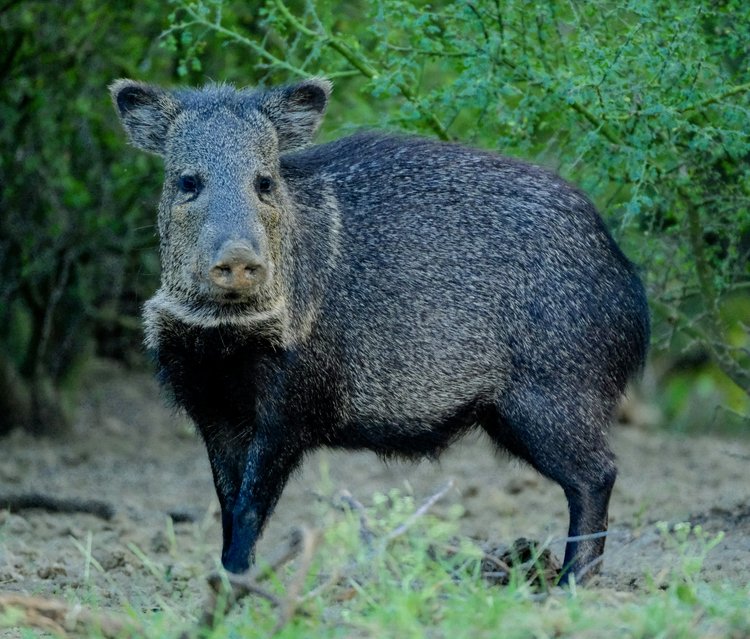
Javelina
The collared peccary, or javelina, evolved in South America and migrated north, only recently arriving in Arizona. Similar to pigs, they root around for food in the early morning and late evening hours in the desert valley and mountains.
Mountain Lion
CRITs largest land predator. The mountain lion occurs throughout the western hemisphere and has one of the most extensive ranges of any land mammal. Roaming at night and early morning, these cats prefer the cover of the mountains and mesquite forests of the resrevation. They are shy and solitary, avoiding human contact whenever possible
Mourning Dove
A large-bodied dove with a distinctly mournful call and spotted wings.
Mule Deer
The mule deer gets its name from its large ears. Coat color is reddish-brown in summer, turning to a blue-gray in winter.
LEARN MORE
Quail
Of the three species of quail that occur in Arizona, only the Gambel’s quail has been identified on CRIT.
LEARN MORE
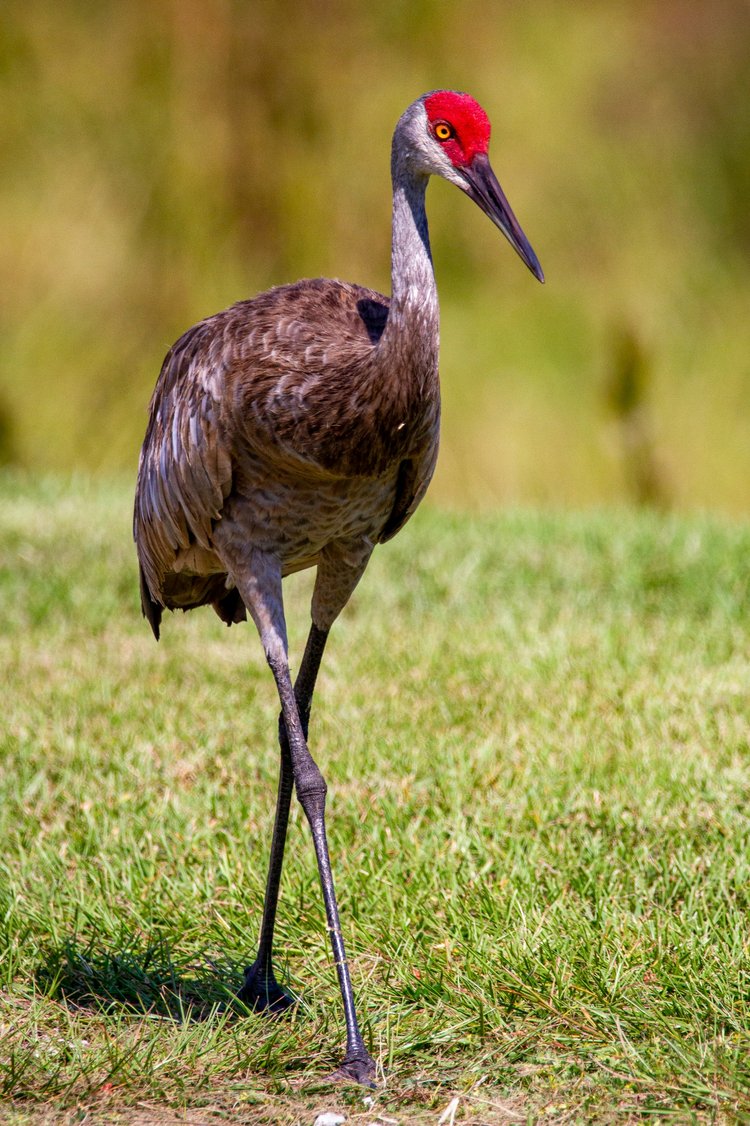
Sandhill Crane
CRIT boasts one of the best places in Arizona to view this amazing bird. Visiting the riparian areas near the river and aggircultural fields to feed. These birds stand 4ft tall with distinctive red marks on their faces.
White Winged Dove
Named after the large white banded on their wings, these doves migrate to CRIT every summer to breed.